Product 1: Edge AI Performer
Problem Statements
- Processing high-volume vehicle data with low latency while maintaining accuracy and scalability in enterprise environments
- Traditional AI systems lack optimized architectures for real-time analysis and efficient cross-platform deployment
Tech Stacks
- Web Assembly
- Rust
- Nividia Triton Server
- ONNX Optimized Model
- Web Assembly
- Computer Vision(Depth Estimation)
- High-Resolution Feature Extraction
- Prometheus + Grafana + Redis
- Docker-based automatic service discovery
Outcomes
- The Fast Intelligence Vehicle Inspection System (FIVIS) is a production-ready, enterprise-grade AI system designed for real-time vehicle analysis
- 25x performance optimization through Rust/WebAssembly integration
- Built for technical teams requiring scalable, reliable, and high-performance vehicle detection solutions
Solution Approaches
- MNDA and GDPR
Product 2: Connected Intelligence Advisor
Problem Statements
- Enterprises face fragmented data, limited AI integration, and inefficient LLM usage
- Resulting in slow decision-making, poor scalability, high costs, and lack of real-time contextual insights across systems and workflows
Tech Stacks
- LLMs(GPT, Claude, Gemini)
- Agentic Frameworks(LangGraph, Autogen, CrewAI, Semantic Kernel)
- RAG(Pinecone, FAISS, Weaviate, hybrid search)
- LLMOps(PromptOps, evaluation, tracing, model routing, cost optimization)
- Integration(MCP, APIs, tool calling)
- Data Pipelines (Databricks, Spark)
- Security(PII masking, RBAC, guardrails)
- Workflow(Kafka, Airflow)
- Cloud (AWS, Azure, GCP)
Outcomes
- On Going and Soon
Solution Approaches
- Designed a Connected Intelligence Advisor using agentic AI workflows with RAG + multi-agent orchestration (planner, retriever, analyst, executor)
- Enable real-time, scalable, and cost-efficient decision automation with built-in Responsible AI, security, and cross-system integration
Product 3: Auto Insurer (Fraudulent Claim Detection) in 2024
Problem Statements
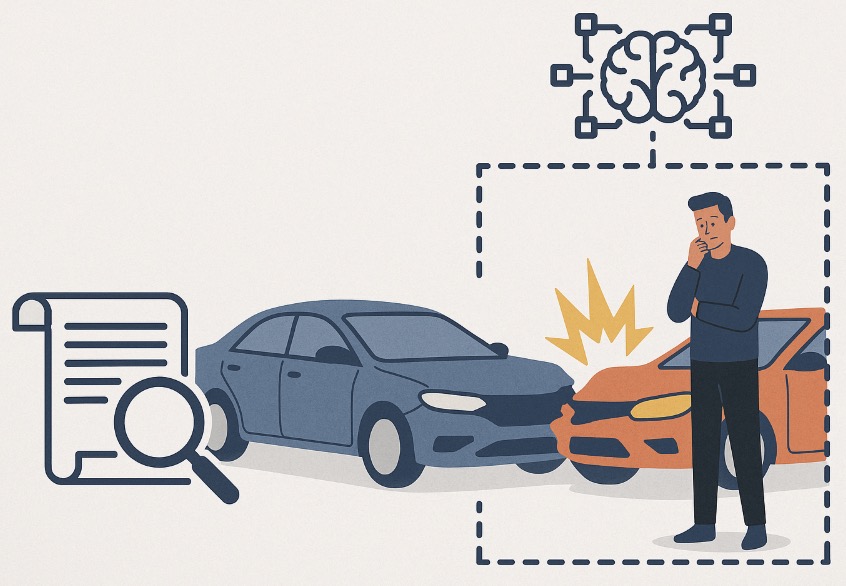
- Insurance damage assessments are slow, manual, and inconsistent
- Leads to delays, errors, high costs, and poor customer experience
Tech Stacks
- AI for image and sound analysis
- Cloud storage for secure data handling
- Decision engines and advisory generation tools
- Integration with insurer platforms via APIs
Outcomes
- Faster, more accurate claim processing
- Better customer satisfaction and trust
- Reduced operational costs and manual errors
Solution Approaches
- Automated system captures images and sounds from incidents
- AI analyzes damage and supports quick, fair decision-making
- Secure cloud storage and smart engines guide claim approvals
Product 4: SecuredNet in 2024
Problem Statements
- Companies face risks of sensitive information leaks across chat, documents, audio, and video
- Difficult to monitor all formats and stay compliant with regulations like GDPR and PDPA
Tech Stacks
- AI models (GPT-based) for conversation analysis with RAG and MongoDB
- Cloud dashboards (Power BI) for reporting
- Secure access controls (RBAC, MFA) and compliance support (GDPR, PDPA)

Outcomes
- Early detection of risky conversations and information leaks
- Stronger compliance management and better governance
- Easier visibility into communication trends across the organization
Solution Approaches
- Process and clean multi-format conversational data
- Use Prompt to detect sensitive conversations using key keywords
- Display flagged conversations and communication patterns in a simple dashboard (Power BI)
- Alert stakeholders with automatic notifications
Product 5: SWOOSH FRIDAY in 2023
Problem Statements
- Automatic Resource Allocation aligning the demand of the Computation
- Data governance and compliance risks slowing down business progress
- Manual processes in ML model deployment causing inefficiency
- Challenges with tracking, monitoring, and updating models in production
Tech Stacks
- Cloud & Automation: Azure ML, Azure DevOps, Kubernetes, Terraform
- MLOps & Tracking: DVC, MLflow, Airflow, Kubeflow
- Source Control & CI/CD: Bitbucket, Jenkins, JFrog
- Project Management: Jira, Confluence
- Programming: Python, Scripting Templates
Outcomes
- Faster, automated model deployment with minimal manual effort
- Improved data transparency, governance, and compliance
- Real-time model monitoring and lifecycle management
- Reduced operational risks and enhanced business agility
Solution Approaches
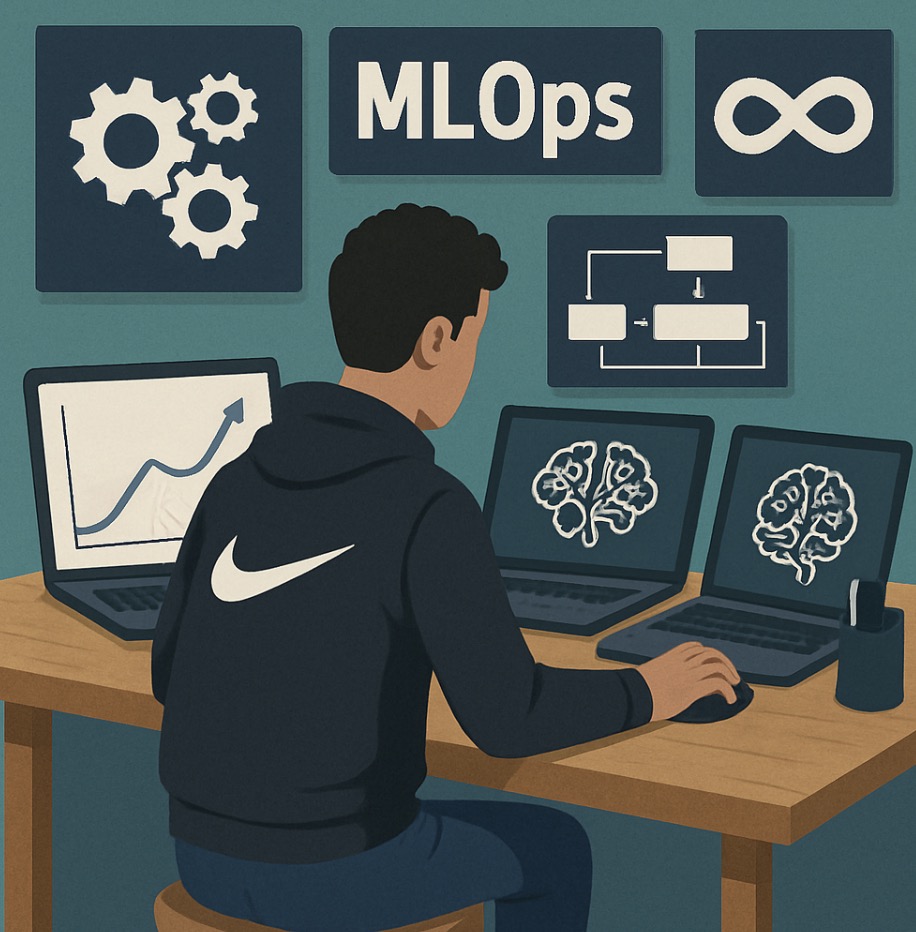
- Developed SWOOSH-FRIDAY Workbench to automate ML workflows
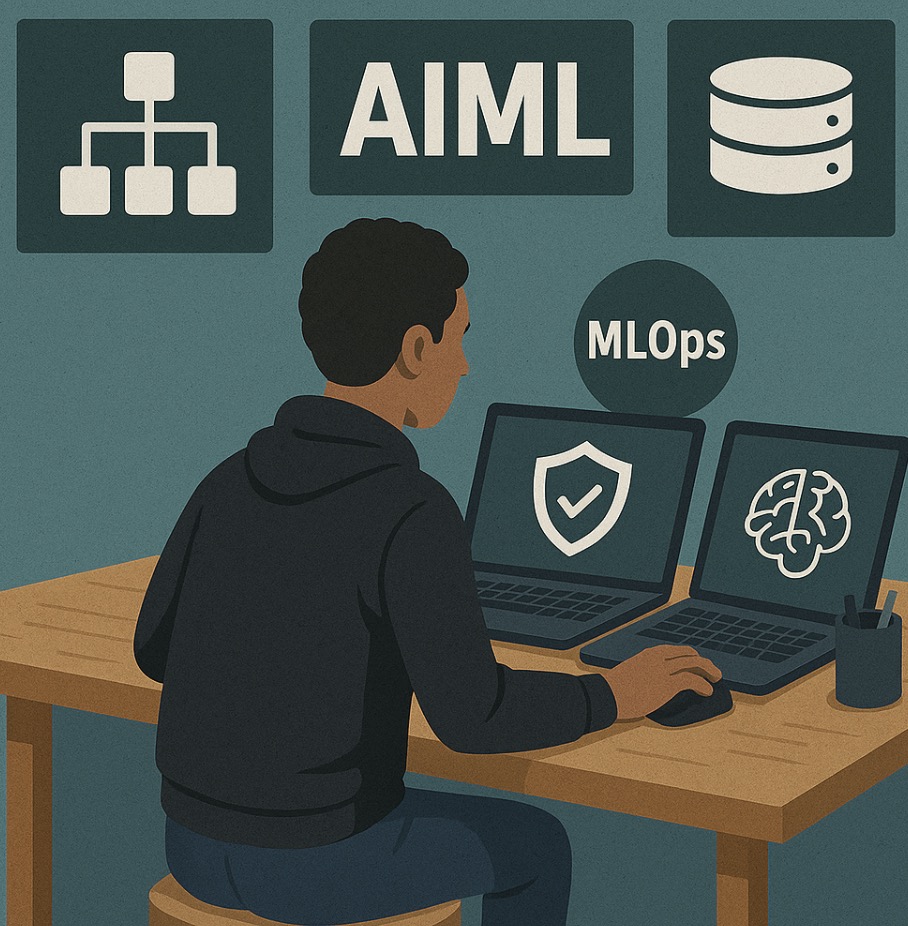
- Integrated data governance and machine learning operations (MLOps)
- Enabled automated model training, tracking, deployment, and monitoring
- Provided dashboards for easy management and KPI-based monitoring
Product 6: Data Governance AIML Workbench in 2022
Problem Statements
- Lack of clear data ownership, leadership, and documentation
- Poor understanding of the value and risks of data governance
- Security, compliance, and risk management challenges.
- Manual and inefficient machine learning model deployment and monitoring
- Difficulty in continuous integration, training, and testing of AI models
Tech Stacks
- Cloud & Data Tools: Azure ML, Azure Data Lake, Azure DevOps, Feature Store (Logical Clocks)
- Model Development Platforms: DataRobot, Dataiku, Databricks, Jupyter
- Automation & Deployment: Jenkins, Bitbucket, MLflow, Docker, Helm, Kubernetes
- Programming: Python, scripting, templates
- Monitoring & Responsible AI: TruEra for model drift, bias, fairness
- Project Management: Jira, Confluence.
Outcomes
- Faster, more reliable AI/ML deployment pipeline
- Improved governance and transparency for all AI models
- Automated retraining and monitoring to maintain model quality
- Reduced manual effort and operational riskss
Solution Approaches
- Build an AI-driven system to automate resource identification and matching
- Use a knowledge graph to map connections between disasters, resources, organizations, locations, and partners
- Create a simple web app for easy input and quick matching
Product 7: Organizational Network Analytics(AONA) in 2020
Problem Statements
- Hard to measure hidden organizational KPIs and communication flows
- Difficult to design sustainable business strategies without understanding real information exchange
- High risk if key employees holding networks together leave the company
Tech Stacks
- Techniques: Data Preparation, EDA, Social Network Analysis, Business Insights
- Tools: OrgVue, BitBucket, AWS Lambda and Aurora, Spark, Docker, MySQL, Polinode, Spyder, PyCharm, Gephi
- Programming Languages: Python, PySpark, R, Tableau, SQL, Excel
- Project Management: Miro, Trello, MS Teams, Agile Scrum
Outcomes
- Identified siloed teams and critical individual dependencies
- Improved cross-functional collaboration and risk planning
- Enabled leadership to make smarter, data-backed organizational changes
Solution Approaches
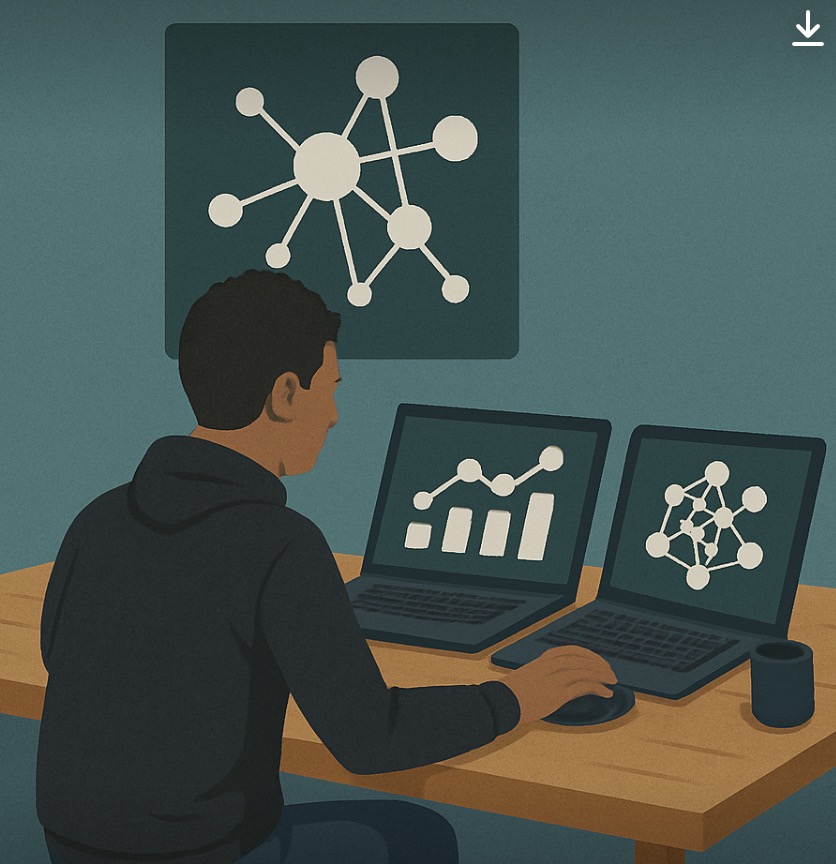
- Built an Organizational Network Analytics (ONA) system to map real communication networks
- Used a three-layer system: Data Pre-processing, Network Analysis, and Insights Reporting
- Delivered clear network visualizations to identify silos, influencers, and hidden risks
- Provided actionable insights for team redesign and risk management
Product 8: Future of Talent Optimization (Workforce Analytics) in 2019
Problem Statements
- Aligning business strategy and talent management is highly challenging and often fails to deliver desired outcomes
- Organizations struggle with workforce planning, especially under rapidly changing business environments
Tech Stacks
- Techniques: Data Preparation, EDA, Hypothesis Testing, Feature Engineering, NLP (Doc2Vec, Bag of Words, GloVe), Crosswalk Algorithms, Classification (SVC, Random Forest), Clustering (KMeans), Model Validation, Optimization, Business Insights metrics
- Tools: AWS, Bit Bucket, Docker, Spyder, Postgres, Tableau, Excel
- Languages: Python, SQL
- Project Management: Trello, Agile Scrum, MS Teams

Outcomes
- Delivered deeper insights into workforce structures at both regional and country levels
- Enabled dynamic job clustering, helping clients quickly identify critical roles and plan for disruptions
- Provided predictive analytics on future work disruptions from automation and alternative talents
- Built a scalable data pipeline integrating databases, machine learning, NLP, and proprietary algorithms, visualized in intuitive dashboards
Solution Approaches
- Built a Workforce Analytics product called FOTO (Future of Talent Optimization) that maps and predicts job evolutions inside an organization
- Structured the system in layers: Preprocessing, Modeling, and Insights Reporting (using Ontology, Sankey Diagrams, Scenario Planning, and Disruption Analysis)
- Delivered a user-driven, data-backed way to attract, engage, develop, and retain talent while mitigating risks tied to role misalignment
Product 9: Anti Money Laundry (AML) in 2017
Problem Statements
- High false positives in transaction monitoring made AML detection inefficient
- Rising cross-border transactions and evolving regulations increased banks' vulnerability
- Need to improve detection without increasing regulatory risks from Watchlists, PEPs, and Adverse Media
Tech Stacks
- Techniques: Data preparation, transaction monitoring, decision trees, entity checking, Bayes classification (Naive Bayes), Levenshtein distance (string matching), NGrams, linguistic and document identity matching
- Tools: Jupyter Notebook, Docker, Unix, MongoDB.
- Programming Languages: Python, PySpark, Unix Shell

Outcomes
- Significant reduction in false positives, making AML detection faster and more accurate
- Improved regulatory compliance through auditable and transparent processes
- Strengthened real-time risk monitoring across entities and transactions
Solution Approaches
- Implemented smarter, real-time name matching, entity matching, and transaction screening
- Used auditable, transparent technology to comply with new regulatory obligations
- Enhanced detection accuracy while minimizing false positives through advanced data processing techniques
Product 10: Wearable Advanced HRV Analyzer in 2012
Problem Statements
- Need for accurate and real-time heart rate variability (HRV) monitoring through wearable devices
- Traditional methods lacked precision and efficiency for continuous health tracking
Tech Stacks
- Signal Analysis: MATLAB
- Real-Time Data Handling: C#
- Software Integration and Design: Java

Outcomes
- Delivered precise and efficient HRV monitoring in real-time
- Improved health insights for users through wearable technology
- Built a robust, scalable system that supports continuous monitoring
Solution Approaches
- Processed PPG signals using advanced signal processing algorithms, computer vision, and data analytics
- Integrated multiple technologies to ensure real-time, accurate HRV monitoring on wearable devices
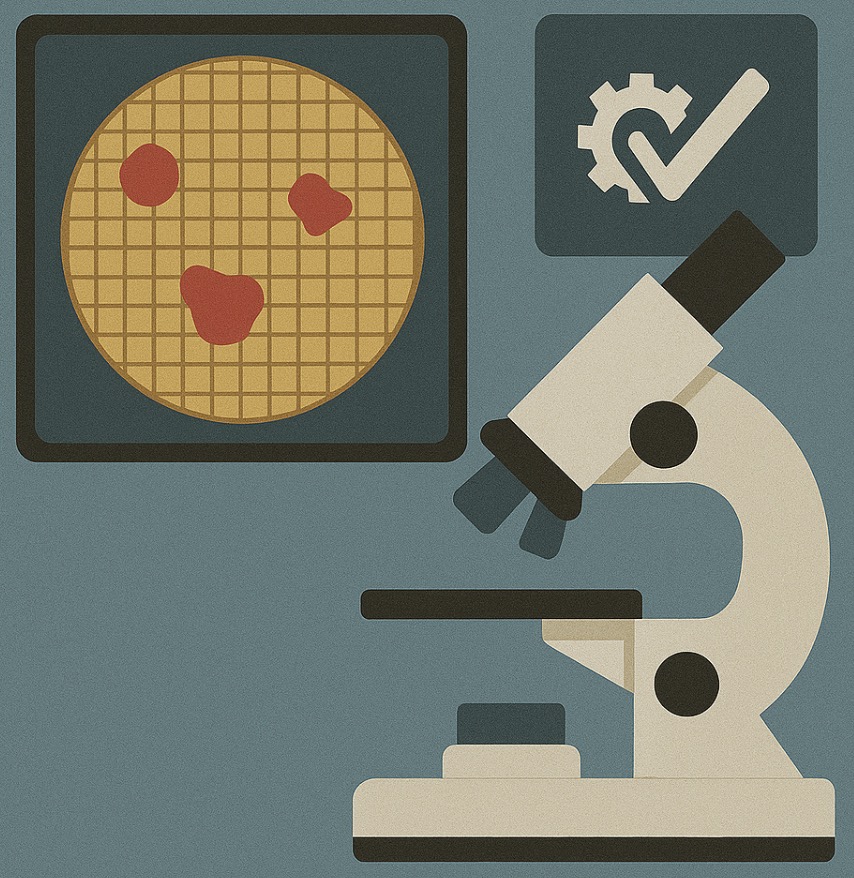
Product 11: Automatic Wafer Defect Detection in 2010
Problem Statements
- Difficulty identifying hidden and damaged defects on unclear semiconductor wafer surfaces
Tech Stacks
- Techniques: Image Processing, Pattern Segmentation, Unsupervised Learning
- Tools: OpenCV, Visual Studio
- Programming Languages: C#, C++
Outcomes
- Improved defect detection accuracy and system performance.
- Boosted manufacturing yield by identifying and addressing fault patterns early
- Established a reusable fault pattern library for faster future analysis
Solution Approaches
- Built an automated system using neural networks to process wafer test data
- Generated wafer maps and cross-validated defect patterns from multiple tests
- Created a pattern database for quicker future defect recognition without repeated analysis
Product 12: Pattern Matching and Colour Detection Imaging Library for Document Imaging Application in 2009
Problem Statements
- Need for fast, accurate document verification to detect inconsistencies and forgerie
- Critical requirement in sectors like government and finance where speed and reliability are essential
Tech Stacks
- Tools: VisionPro for image processing
- Programming Languages: C and C++ for high-efficiency performance

Outcomes
- Achieved quick, reliable detection of document tampering and inconsistencies
- Improved security and processing speed in high-stakes industries
Solution Approaches
- Use of pattern matching and color detection to enhance document validation
- Integration of RFID reading, biometric verification, and document authenticity checks
- Multi-step process to ensure thorough validation and quick fraud detection