Project 1: Agentic Project Agnostic Management Advisor in 2025(On Going)
Problem Statements
- Dynamic Resource Allocation: Traditional systems struggle to adjust resources in real-time
- Data Integration Issues: Challenges in merging diverse data sources (CSV, JSON, APIs)
- Lack of Context-Aware Task Estimation: No automated, real-time compliance and task estimation
Tech Stacks
- crewAI Framework: Integrates autonomous agents and LLMs (Ollama LLM with llama3.2)
- Data Management: YAML for configuration, Pandas for data processing, custom JSON5 parsers
- API Integrations: Trello, ERP systems, and market trend webhooks for seamless data flow

Outcomes
Efficiency Gains
- 42% reduction in planning cycle time
- 91% compliance in structured outputs using Pydantic models
Operational Improvements
- 27% improvement in stock turnover, 15% reduction in excess inventory
- 88% correlation between forecasted and actual sales, ±18% confidence in demand predictions
Solution Approaches
- AI-Driven System: Uses autonomous agents powered by large language models (LLMs) for task management
Four Key Domains
- Project Planning: Goal-oriented campaign development
- Inventory Management: Optimizing stock and supplier coordination
- Sales Forecasting: Predicting trends using market data
- Project Analysis: Post-mortem evaluation via Trello integration
- Agentic Workflows: Data Collection → Analysis → Reporting using specialized agents
Project 2: Mobility Guided Intelligent Information Assistant in 2025(On Going)
Problem Statements
- Current mobility systems have gaps in real-time context and hands-free navigation
- Detection systems fail in extreme conditions
- AI hallucinations and slow, non-multimodal interfaces reduce trust and situational awareness
Tech Stacks
- YOLOv8 for object detection
- LLAMA32 for hazard processing (15 frames/sec)
- RAG with vector databases for real-time traffic insights
- Edge AI for low-latency, high-efficiency performance

Outcomes
- Achieved 94.7% detection accuracy with 68.4% CPU usage
- Reduced false positives by 40% and delivered 92.4% relevant alerts
- Proven scalable in vehicles, warehouses, and public transportation.
- 4.3 seconds latency and enhanced real-time adaptability with Edge AI and RAG integration
Solution Approaches
- MGIIA combines YOLOv8 (computer vision) and LLMs (natural language processing) for real-time, hands-free guidance
- Uses multi-source inputs (cameras, sensors, vector databases) to deliver alerts via voice, text, and video
- Modular, open-source design for scalability across various industries (transportation, warehousing, public spaces)
Project 3: Time-to-Event Machine Learning models in Predicting Oral Cavity Cancer Prognosis in 2024(Research based)
Problem Statements
- Difficulty in accurately predicting oral cavity cancer patient outcomes over time
- Traditional methods lack focus on "when" key health events occur
Tech Stacks
- Machine Learning Algorithms: DeepSurv, DeepHit, Cox-Time, Random Survival Forest (RSF)

Outcomes
- Achieved better prediction accuracy for patient survival timelines
- Enabled more personalized and timely treatment planning for patients
Solution Approaches
- Compare different machine learning models that specifically handle time-to-event data
- Focus on improving dynamic survival outcome predictions to support better treatment decisions
Project 4: AI Driven Resource Identification and Matching System in 2024
Problem Statements
- Disaster resource matching is slow and inefficient, often taking weeks
- Delayed aid leads to lower effectiveness in disaster response efforts
Tech Stacks
- Neo4j: For building the knowledge graph database.
- dspy: To handle AI workflows and input/output fields
- Web Scraping: To gather up-to-date resource and organization datas

Outcomes
- Developed a working prototype that reduces matching time from weeks to just a few hours
- Built an intuitive UI for organizations to submit needs and find resources quickly
- Successfully demonstrated automation of the resource matching process
Solution Approaches
- Build an AI-driven system to automate resource identification and matching
- Use a knowledge graph to map connections between disasters, resources, organizations, locations, and partners
- Create a simple web app for easy input and quick matching
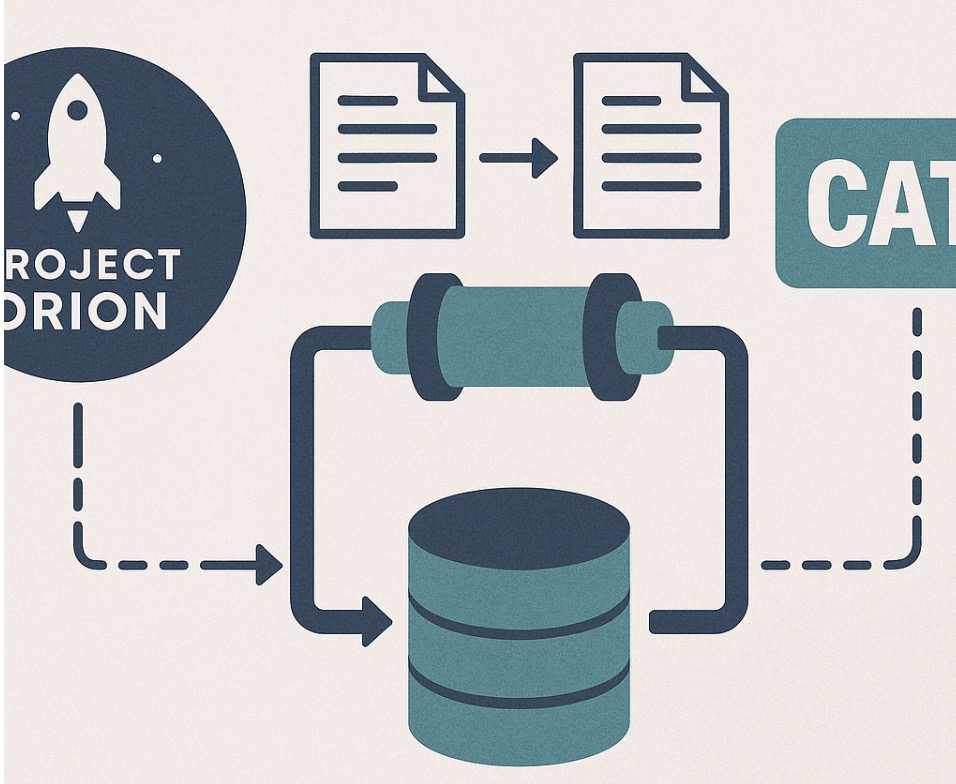
Project 5: Project Orion and CATA(Data Management Data Pipelines) in 2022
Problem Statements
- Difficulty in importing and managing real-time data from multiple sources
- Challenges with maintaining data quality, scalability, parallel processing, and uniform data structure
- Manual, unmanaged ingestion processes across different environments (UAT, QA, Production)
Tech Stacks
- Techniques: Data Mapping, Data Governance, ETL, Data Ingestion Lifecycle, CDC, SCD2, Workflow Automation, Batch Processing
- Tools: Collibra, Facebook Flux, Hadoop, Spark, Yarn, Git, Jenkins, AWS S3, Apache Airflow
- Languages: Python, PySpark, SQL
- Project Management: Confluence, Jira
Outcomes
- Built a scalable, automated ingestion and governance platform
- Enabled seamless data flow to Data Lakes and Data Warehouses
- Empowered downstream teams (Data Science, AI/ML, BI, Analytics) with high-quality, accessible data
Solution Approaches
- Designed automated data ingestion pipelines integrated with a data governance framework
- Implemented real-time and batch processing workflows
- Used ALC methodology to manage ingestion consistently across environments
Project 6: Enterprise HR and Finance Analytics in 2021
Problem Statements
- Lack of an analytics system to maintain HR momentum and improve talent management
- Difficulty in forecasting financial needs and tracking HR performance effectively
Tech Stacks
- Techniques: Data Management, Data Governance, Data Science (Modeling, Optimization, Testing), Business Intelligence
- Tools: Azure Data Lake Gen 2, Azure Data Factory, Power BI Service and Pro, Spyder
- Programming Languages: Python, DAX, Power M
- Project Management: Agile Scrum methodology

Outcomes
- HR and Finance teams gained quick, actionable insights
- Improved talent acquisition, financial forecasting, and employee performance tracking
- Enabled smarter, faster business decisions across the organization
Solution Approaches
- Built an analytics governance platform combining HR and Finance data
- Created dashboards, reports, and analytics models to track, analyze, and gain insights
- Helped HR teams optimize recruitment, employee performance, and workplace management
Project 7: Volunteer Management System(VMS) in 2020
Problem Statements
- Difficulty tracking and managing volunteers
- Inefficient communication and low volunteer engagement
- Limited resources to maintain an active volunteer base
Tech Stacks
- Cloud Platform: AWS (EC2, S3, VPC, IAM, CloudWatch, CloudFormation, CloudTrail, CloudFront)
- Programming: Python, Bash Scripting
- Frontend: Angular (Volunteer Client App), JavaScript (Asset Exploration)
- Security: Hyperledger Fabric Blockchain

Outcomes
- Centralized and efficient volunteer tracking and engagement
- Easier volunteer recruitment, management, and rewards
- Stronger data security and transparency
Solution Approaches
- Built a centralized Volunteer Management System (VMS)
- Features include: Volunteer Portal, Database Management, Task Matching, Tracking, and Recognition
- Designed for nonprofits, healthcare, education, event planning, and government use
- Used blockchain for data security and trust
Project 8: Finance Dashboard (Finance Analytics) in 2017
Problem Statements
- Difficult to track key financial KPIs like expenses, sales, profits, and cash flow
- Time-consuming manual financial reporting and data preparation
- Challenges in timely and accurate financial decision-making
Tech Stacks
- Techniques: Data preparation, financial analysis
- Tools: Tableau Server, Tableau Desktop, Microsoft Excel
- Project Management: Trello, Agile Scrum, Microsoft Teams
- Programming: Basic scripting for data handling and Python

Outcomes
- Streamlined financial reporting with real-time insights
- Faster, smarter financial decision-making for top management
- Analysts focused more on cost-saving strategies rather than manual tasks
- Set foundation for future AI-driven financial forecasting and risk alerts
Solution Approaches
- Developed a unified finance dashboard combining multiple data sources
- Enabled real-time analysis, forecasting, budgeting, and reporting
- Reduced reliance on manual spreadsheets and improved decision speed
Project 9: Project SPARK (People Analytics) in 2017
Problem Statements
- Without deep insights into talent profiles both internally and externally, companies struggle to hire, retain, and engage top talent effectively
- HR teams face challenges like lack of data analysis skills, dealing with multiple disconnected data sources, and concerns about privacy and compliance
Tech Stacks
- Techniques: Data preparation, feature engineering, EDA (Exploratory Data Analysis), classification models (Logistic, SVM, Random Forest, Neural Networks), regression, clustering (KMeans, Hierarchical), propensity score analysis
- Tools: Jupyter Notebook, Spyder, RStudio, Tableau, Excel
- Languages: Python, R
- Trello, Agile Scrum framework, MS Teams
Outcomes
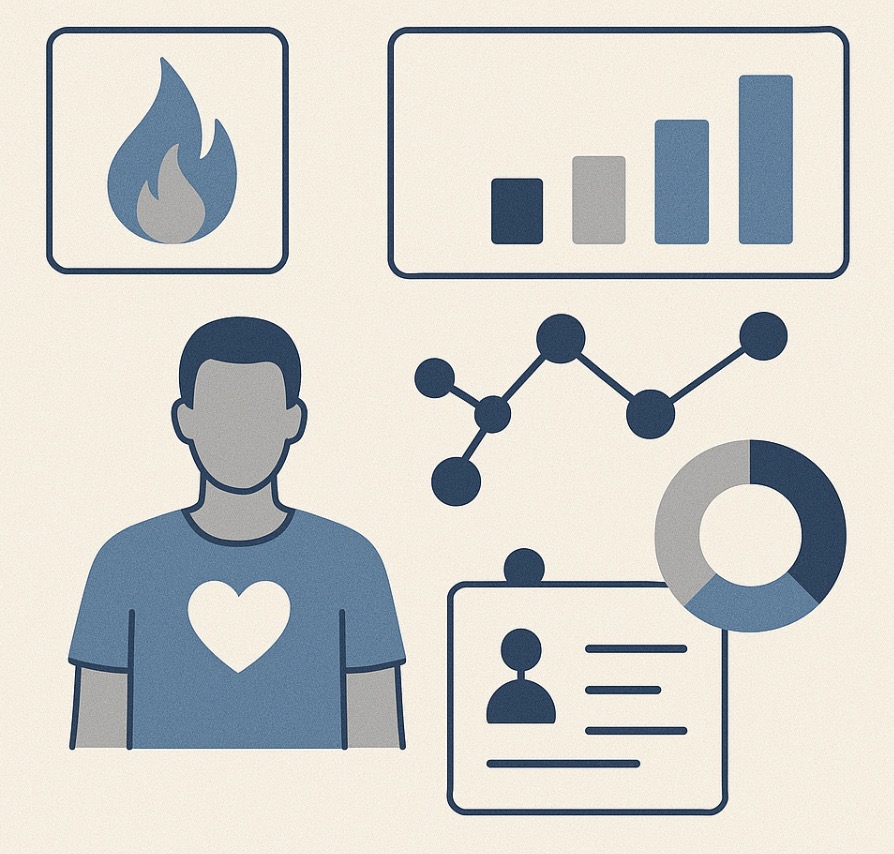
- Enabled smarter and quicker HR decisions through visually rich dashboards
- Improved the employee experience, hiring efficiency, and overall talent management strategy
- Enhanced executive insights for proactive management action
- Visualizations displayed key metrics like promotion growth, turnover rates, and engagement scores.
Solution Approaches
- Developed Project SPARK (People Analytics) to collect, monitor, and analyze HR data for actionable insights
- Consolidated data across talent management touchpoints to empower managers and executives with informed, data-driven decisions
- Focused areas: Talent acquisition, employee performance, experience enhancement, churn analytics, and recruitment funnel optimization
- Enhanced hiring practices, automated reporting, improved visualization, and shared insights across departments